

Creating Calm: How Sensory Rooms Are Making Major Events More Inclusive
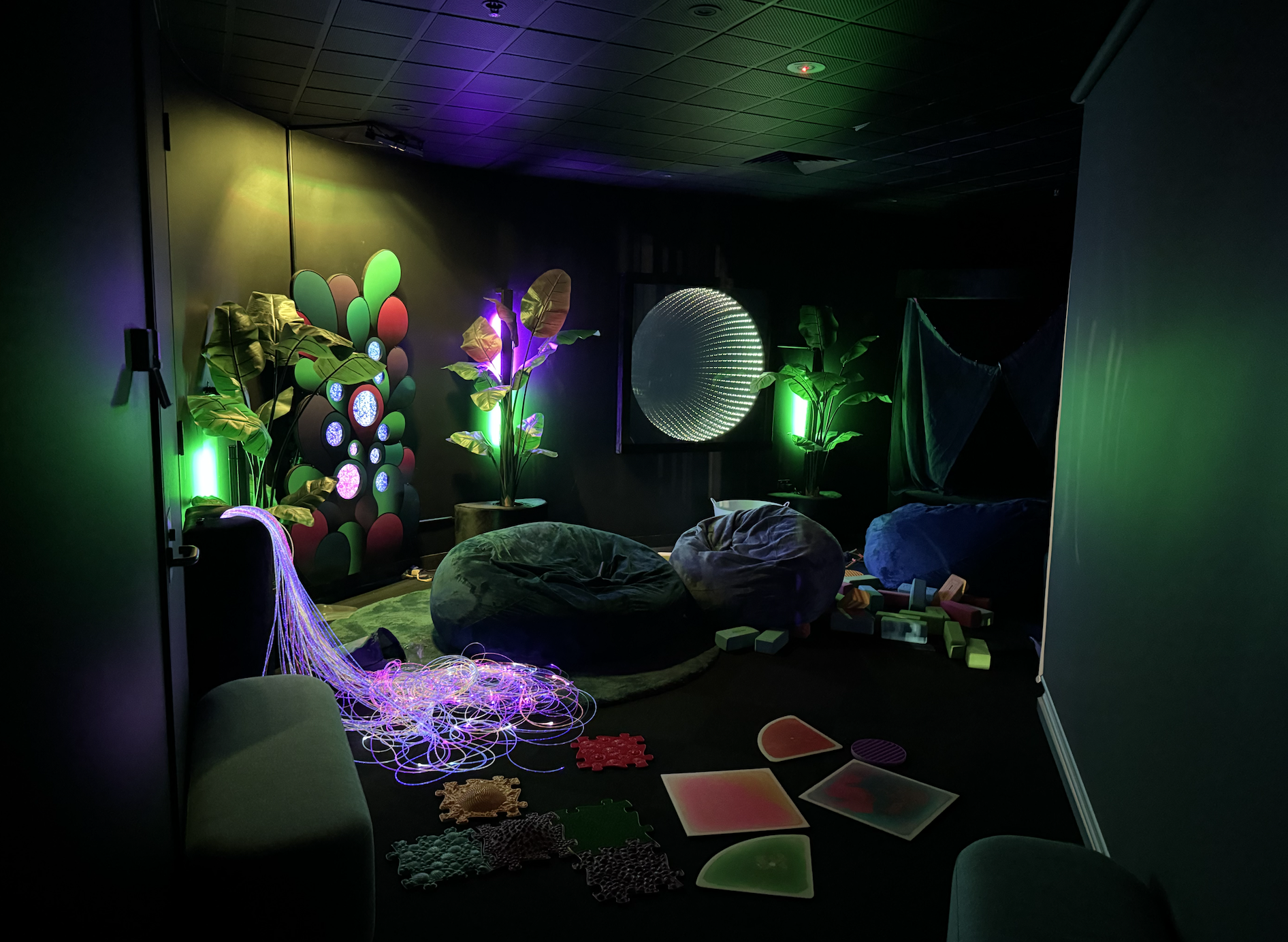
ASAPD recently had the opportunity to speak with The Inclusion Project about how inclusion spaces like sensory rooms are designed and why they are vital at major events, particularly for autistic people and others with sensory processing differences.
For many people, the thrill of a major sporting event comes with noise, lights, and energy that make the atmosphere electric. But for others, particularly those with sensory sensitivities or neurodivergent experiences, the same environment can feel overwhelming.
That’s where sensory rooms come in. These calm, supportive spaces are becoming an essential part of making sport truly inclusive. During Autism Acceptance Month, The Inclusion Project’s work at the Australian Open shows how sensory inclusion at major events is reshaping accessibility and participation across the country.
Major sporting events are designed for high energy such as loud crowds, music, and constant activity. For many patrons, that intensity can make the space inaccessible. The Inclusion Project addresses this by creating sensory rooms that don’t just provide a quiet space but also include expert support. “Having an Occupational Therapist and an Inclusion Project Officer with lived experience transforms the Sensory Room into more than just a space,” the team explains. “It becomes a tool for people to seek help when needed. Just as first aid rooms are essential, a sensory room is the same.”
By positioning sensory rooms alongside services like first aid, The Inclusion Project is helping reframe them as core infrastructure for inclusion, not a “nice extra” that can be added at the last minute.
For many families, the availability of a sensory room is a deciding factor in whether they attend an event at all. As The Inclusion Project describes, sensory spaces “give many people options, which is massive. It is where true equity is showcased within events. The fact is that availability of a Sensory room is a big determining factor if people will attend an event or not.”
Families now actively seek out these spaces. “We find many families reaching out the Inclusion Project asking whether we will be at certain event and where the sensory room is. It is still a very unknown option for many people. We are working on raising the awareness, this is also the case at events with our Stadium Support Squad who are a visible presence at events to ensure people understand their options during the event.”
Once people know what is available, the sense of reassurance is huge. “Knowing is a huge battle when it comes to services, once families are familiar with the space it is a huge relief knowing there is a safe space when required. We recently heard from a family who attended one of our Spaces , that explained the first thing they do is see if the Inclusion Project are at an event , it offers a sense of confidence. They now have their blueprint on how to attend an event safely and the sensory room is a big part of this.”
The Australian Open has become a flagship example of sensory inclusion in action, with The Inclusion Project partnering over the past five years to develop and refine the event’s dedicated sensory space.
“The common theme when people visited the space was a surprise. We think this highlights disability services in general are often an afterthought. But with the Australian Open sensory space, there was a considered approach,” the team says. “The Inclusion Project has played a big part in getting the room to what it was at this year’s Open. We have been partnered with the AO for the past five years and the constant feedback has developed the space over time.”
“This year’s the context of the space was very important. It was very deliberately a ‘quiet room’ and a relaxing space to ensure people had a retreat from the crowd. It was all ages that needed the space. Parents found it peaceful after being busy with activities all day.”
Across three weeks of the tournament, demand was strong. “We had almost 4000 patrons that utilised the sensory space during the three weeks of the Open. This would just be the tip of iceberg of how many people need the space. A big thing was also information and knowing the options are available, it is still a big barrier of getting the word out of what services are available.”
To extend the impact beyond the room itself, The Inclusion Project also offered sensory tools people could take with them. “We also offered free fidget packs for those that visited our sensory spaces, with almost 1000 packs handed out across the Open. It had a huge impact on patrons. This was important as it gave a tool for patrons once they left the sensory room. A big aim of The Inclusion Project is to ensure people get to experience the event. When given a sensory bag, this was one way of helping them.”
With the Australian Open positioned as the first sensory-inclusive international sporting event, the bar has been lifted for what major competitions can and should provide. “The AO setting the standard is great to see, with the sheer amount of people attending the event by virtue has more people knowing about and being curious about what inclusion looks like.”
That visibility is driving new opportunities. “We have steadily been increasing our presence beyond the AO. While the AO is our biggest event, we work with six other professional sporting teams that allows for greater recognition. Running our sensory spaces at Hawthorn Football Club’s AFLW games led us to working at multiple events for a local council. Also, our connection with Melbourne Storm and Melbourne Victory gave us the opportunity to work at other events for the stadium including Disney on Ice , Cirque Du Soleil and monster trucks. Which is such a positive to have such a wide reach.”
For sporting organisations wanting to begin this journey, The Inclusion Project’s message is clear: start with lived experience and be prepared to learn. “Seek out lived experience. Too many times, their voices are discarded or decisions are made without their input. This drives everything The Inclusion Project does, we continue to learn from our team.”
“Co-designing is the core of every principle and action The Inclusion Project takes. The Inclusion Project is for community and without constant feedback from our staff with lived experience, it would miss the mark. Co-designing goes beyond just asking their thoughts, it is actively setting environments and processes that allow individuals to shine and feel comfortable. The practice is not inviting individuals with lived experience to the table, it is recognising it was always their table to begin with.”
They also point out that lived experience often exists inside organisations already. “As discussed, a key is to seek out lived experience, the numbers of people living with a hidden disability are huge, 1 in 4 have a disability and 80% are hidden. So, within their own organisations, it is about valuing the opinions of these individuals. If they cannot find or think they do not have anyone living with a hidden disability, there lies the starting point. Organisations should try and find out why no one is comfortable disclosing this in their organisations. Seek out lived experience and do not speak for people.”
Not every organisation will be able to build a full sensory room immediately, but small, practical tools can still make a difference. “While there are also budget considerations , there are little steps, as mentioned social stories, that can make things more predictable. Organisations should understand that there is no quick fix or one solution that will solve everything.”
For national and state sporting organisations, the goal is to embed sensory inclusion across the calendar, not just at one-off showcase events. As The Inclusion Project advises, “Ensure you have the right people to consult with from the beginning, do not make assumptions about what sensory inclusion is needed. There is no one fix or solution.”
As more clubs and event organisers follow the lead of the Australian Open and The Inclusion Project, sensory rooms and related supports have the power to shift expectations of what “accessible” sport really means. When we design environments that recognise sensory needs and centre lived experience, we don’t just make it possible for autistic and neurodivergent people to attend, we create safer, calmer, and more welcoming spaces for everyone.