

How Pitch It Up is opening cricket to more athletes with disability
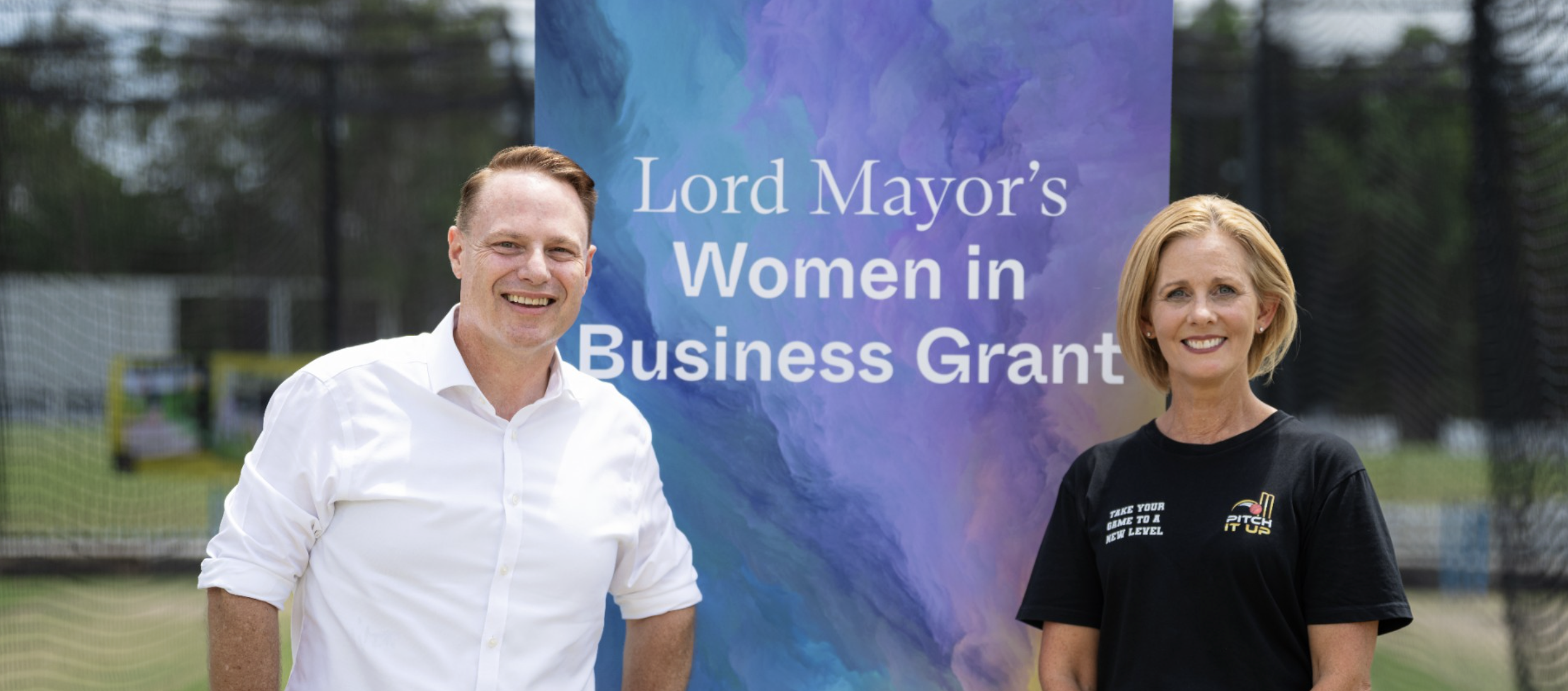
When Emma Thomson went looking for a safe backyard cricket aid for her young son, she hit a familiar barrier: nothing on the market was truly built for beginners. Most products were too fast, too hard and too risky for grassroots players learning the game at home.
Drawing on her 25-year career in healthcare diagnostics, Emma decided to design her own solution. The result is Pitch It Up – a light bowling machine and ball system that gives consistent, gentle feeds so players can build gross motor skills, hand‑eye coordination and confidence, one ball at a time.
Safety sits at the heart of Pitch It Up’s design. The lightweight balls are purpose‑built to work with the device, soft enough to reduce the risk of injury to both people and property while still feeling like “real” cricket.
Because the machine can be used in the backyard, at the park or in the nets, it gives children and young people more chances to practice outside of formal training. Importantly for inclusion, it can be adapted for All Abilities participants, including athletes with neurodivergent conditions and physical disabilities who may need predictable, repeatable delivery to feel safe and supported.
A lot of Emma’s insight has come through the Valleys District Cricket Club All Abilities Program in Brisbane, a free, inclusive program for neurodiverse children and young adults. At these sessions, Pitch It Up is used for batting, catching and fielding, providing a controlled way to build skills while coaches focus on communication, routines and positive reinforcement.
Families and coaches report “remarkable growth and development” in participants, not only in cricket skills but in confidence, social connection and willingness to try new activities. For many athletes with disability, having equipment that meets them where they are, rather than expecting them to fit the equipment, is the difference between sitting out and joining in.
With support from the Lord Mayor’s Women in Business Grant, Emma is now working on the next piece of the inclusion puzzle: an audible cricket ball specifically designed for use with Pitch It Up. Existing blind cricket balls are heavier and hard‑coated, which means they do not work safely with the mechanics of the device.
Funding will be used to purchase a 3D printer to rapidly prototype a new ball that retains an audible sound while being light enough for the training aid. This has big implications for schools, where blind and low‑vision students are often sidelined from PE because existing equipment is unsafe or impractical. An audible ball that works with Pitch It Up would let more students participate alongside their classmates instead of watching from the boundary.