

Three in four autistic children want to play more sport but avoidable barriers stand in their way
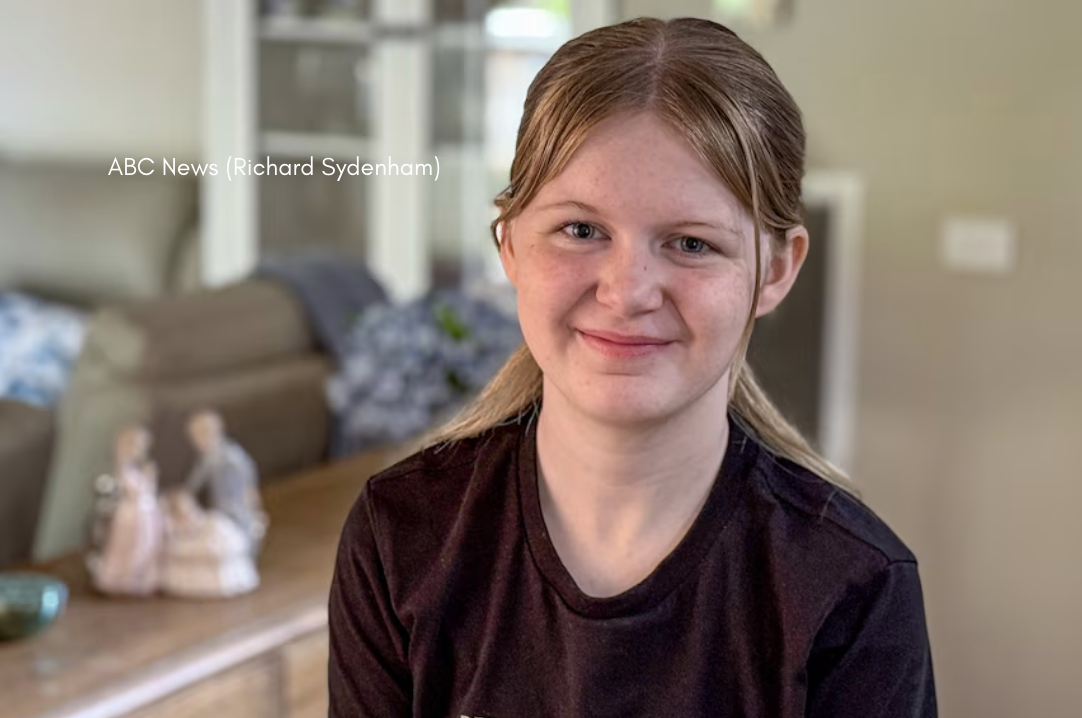
Autistic teenager Hayley loves dancing, but the bright lights, noise and fast pace of studio classes can be exhausting, even when everything looks fine on the surface. At home, with the furniture pushed aside, dance feels natural and joyful, yet the effort to keep up and mask their struggles often leads to days of recovery.
New research from the Aspect Research Centre for Autism Practice shows many autistic children and adults feel the same way: they want to be more active, but face barriers like overwhelming environments, rigid programs and limited autism-informed coaching. For Hayley, dance is still life-changing, building confidence and happiness despite the toll.